A lot of people booking a magician don't have much understanding of the impact the setting makes to a show. That's not a criticism, it's just not something you'd think about unless you've spent years staring at it. But it goes for event organisers too, and honestly, even some magicians.
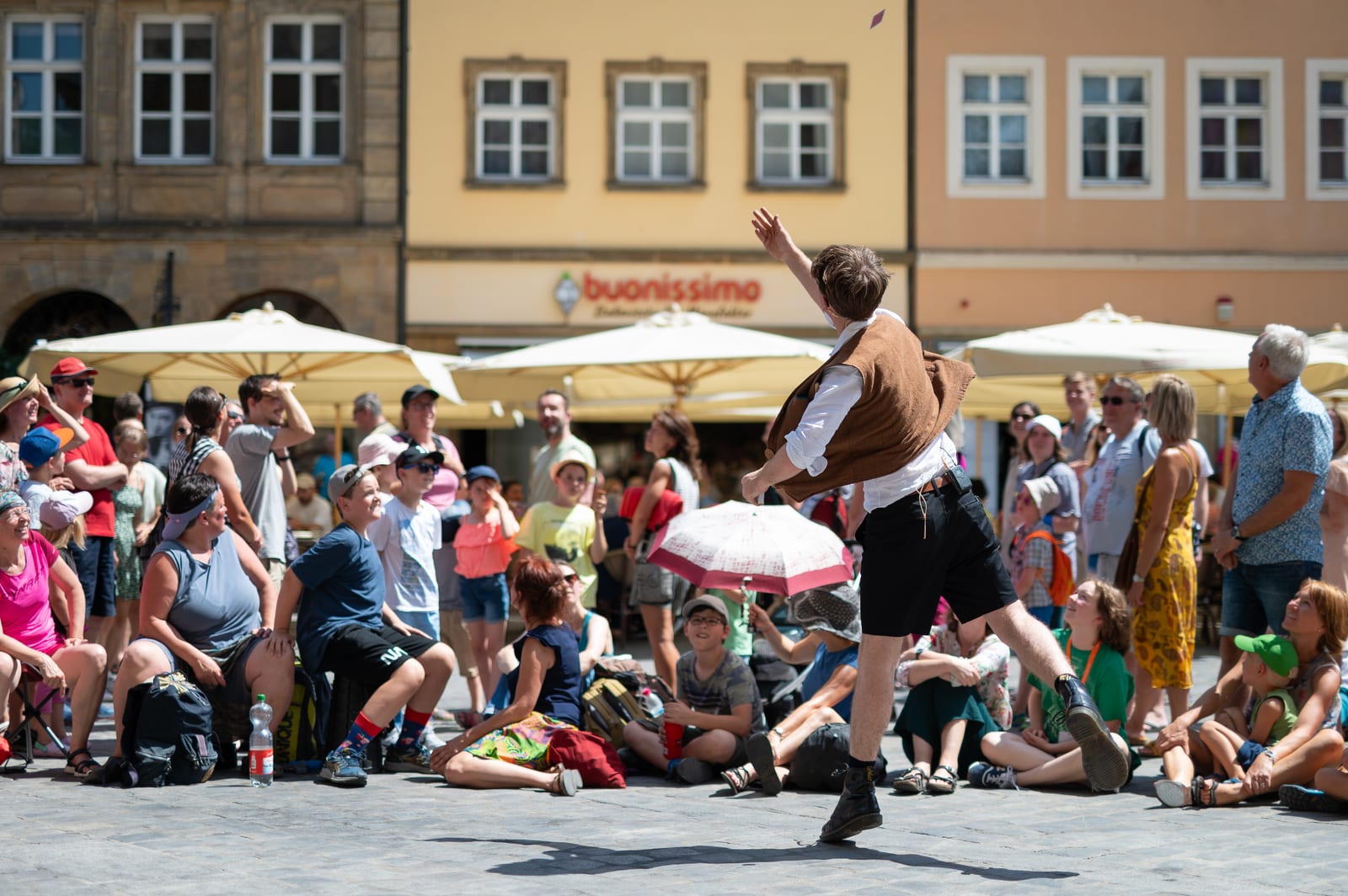
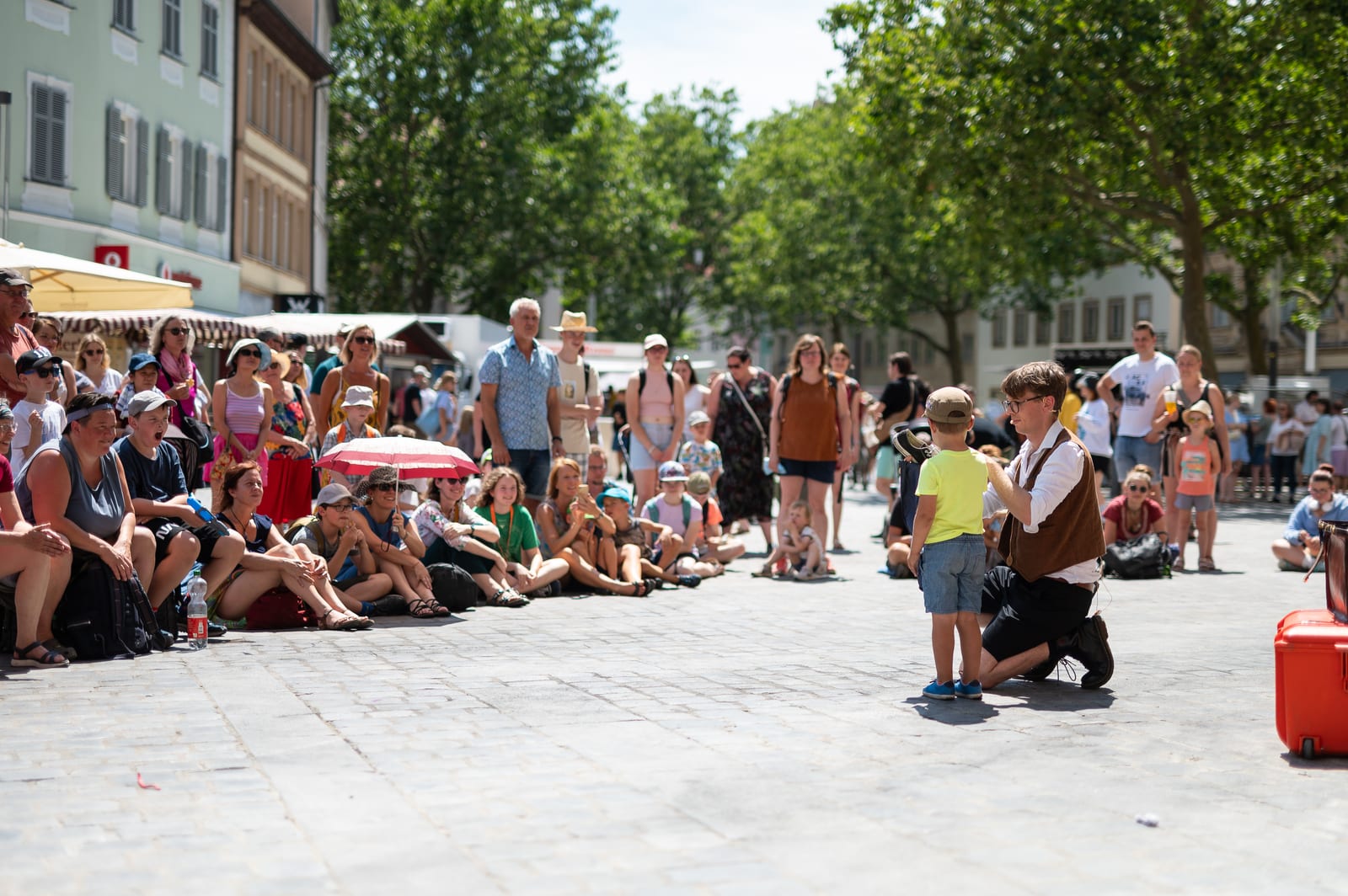
I had a bit of an odd journey in magic that I feel gives me some expertise here. For the first ten years of my career I made my living solely as a street performer on the road. I'd chase the summer, spending half the year in Australia and the other half around Europe, following festivals and looking for the best spots to do shows on the street. It amazed me how much small changes to where you performed would change the impact of a show. Facing a certain direction. How far out into the middle of the street you stood. Even just being a few metres up the road. Little things like that would make big changes to people's ability to enjoy the show.
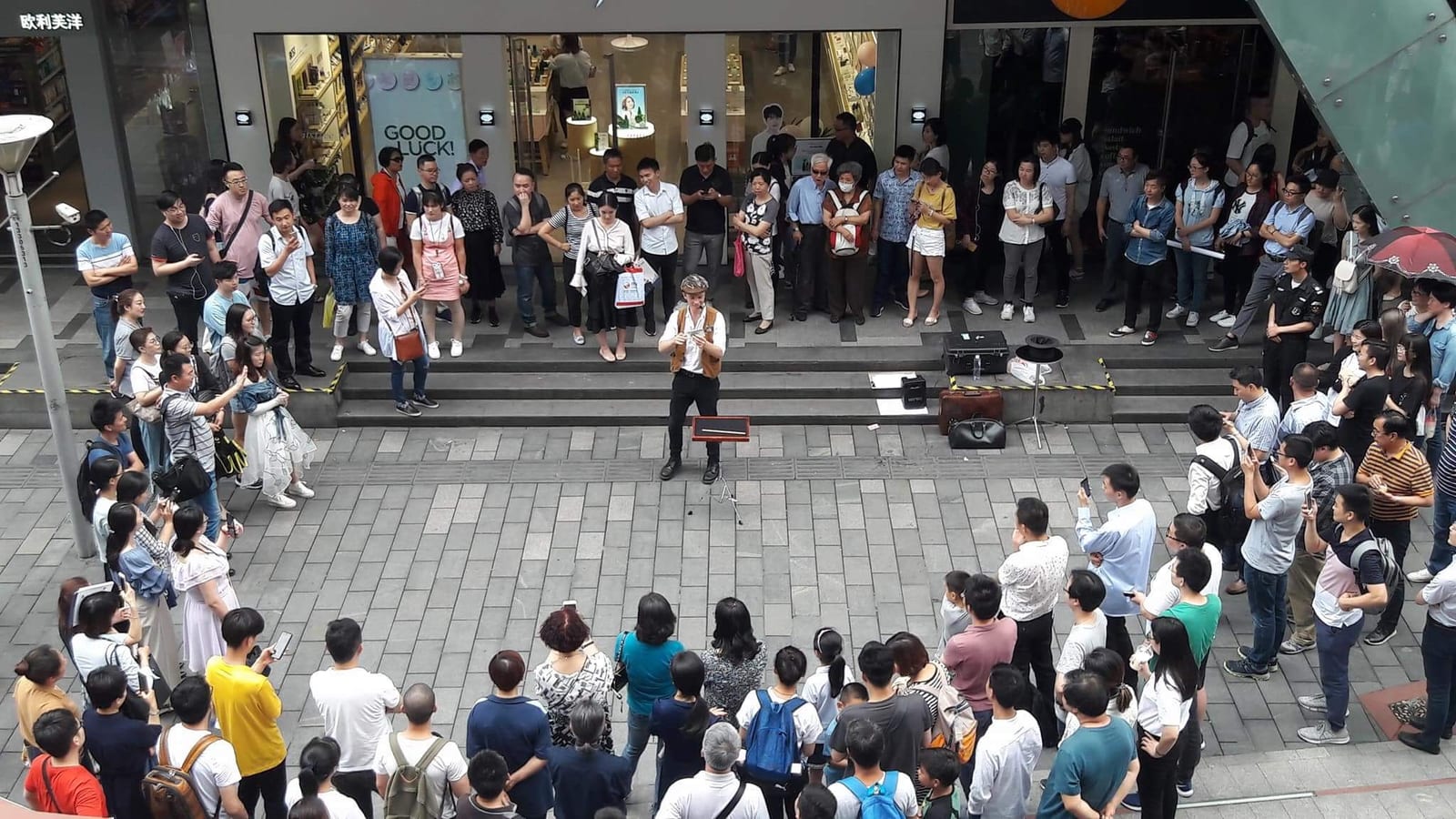
When I started doing close-up shows, I quickly learnt the same things apply. So before you book a magician, here's the difference between the two main formats, which one suits your event, and how to set things up so you get the most out of whoever you hire.
What Is Roving Magic?
Roving magic (also called roaming or walk-around magic) is a magician moving through your event, doing short sets for small groups. A few minutes of magic for the people near the bar, then on to the next table. Nobody has to stop what they're doing. The party keeps going and the magic moves through it.
Roving suits events where people are standing around, mingling and chatting. Cocktail parties, wedding receptions during canapes or between courses, corporate networking nights, product launches. It works with the noise of a party rather than against it, and it's a great icebreaker. Two strangers who've just watched a coin vanish suddenly have something to talk about.
What Is a Close-Up Show?
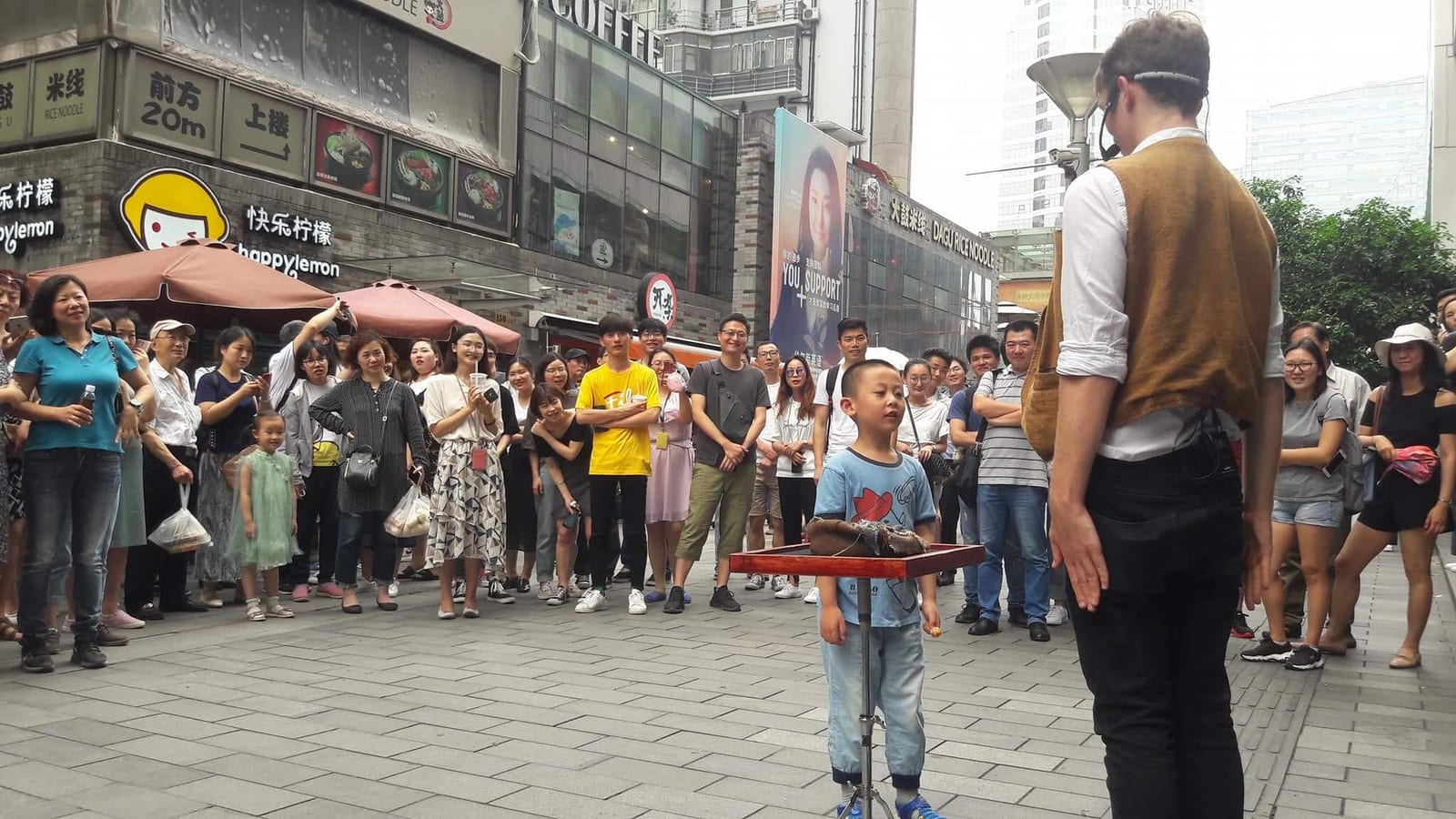
A close-up show is a different thing entirely. Everyone sits down, the room settles, and for thirty to forty five minutes the magic is the event. It's a proper show with a beginning, a build and a finish, performed at a table with the audience close enough to see everything and touch the props.
Because everyone's watching the same moments together, a close-up show can go places roving magic can't. Routines build on each other. Something that goes missing in the first ten minutes can turn up somewhere impossible at the end. The reactions feed off each other and the whole room lifts at once.
The trade-off is it needs the right conditions, and it has a ceiling. A close-up show works beautifully for up to about 30 people. Beyond that you're looking at something more than a close-up show, and different material is generally required. That's a conversation I'm always happy to have.
So Which Is Better for Your Event?
Neither one is better. They do different jobs. As a rough guide:
- Guests standing with drinks, no set schedule: roving.
- Wedding reception, during the photo gap or between courses: roving.
- Dinner party or private event with 10 to 30 guests: close-up show.
- Big corporate night, 100 plus guests in a loud room: roving during pre-dinner drinks, or a stage show. Not a close-up show.
- You want the magic to be the thing people talk about for years: close-up show.
Plenty of events do both. Roving while guests arrive, then a close-up show once everyone's seated. If your event has a natural quiet moment in it, that's usually where the show belongs.
Getting the Most Out of a Close-Up Show
All of it relies on the same thing: how can you give the performer as much focus as possible?
Focus is the biggest determining factor in people's ability to watch a show. If you can't focus, you can't follow. And if you can't follow, the best magic in the world falls flat. Here are some things you can do at your event that will help.
Keep External Noise to a Minimum
Pause the drinks service during the show. Make sure people aren't going to be walking through the room unnecessarily. Crinkling bags of food, background music, all of it pulls attention. Eliminate as much as possible.
Go Easy on the Drinks (Before the Show, Anyway)
I've been to a number of events where people think it's a great idea to get absolutely wasted and watch magic. The thing is, I'm good at what I do, and I don't need people to be cognitively impaired to fool them. What often happens is someone drinks a little too much, ends up heckling and shouting out at inappropriate times, and spoils the experience for everyone else. Save the big drinks for after the show.
Get the Seating Right
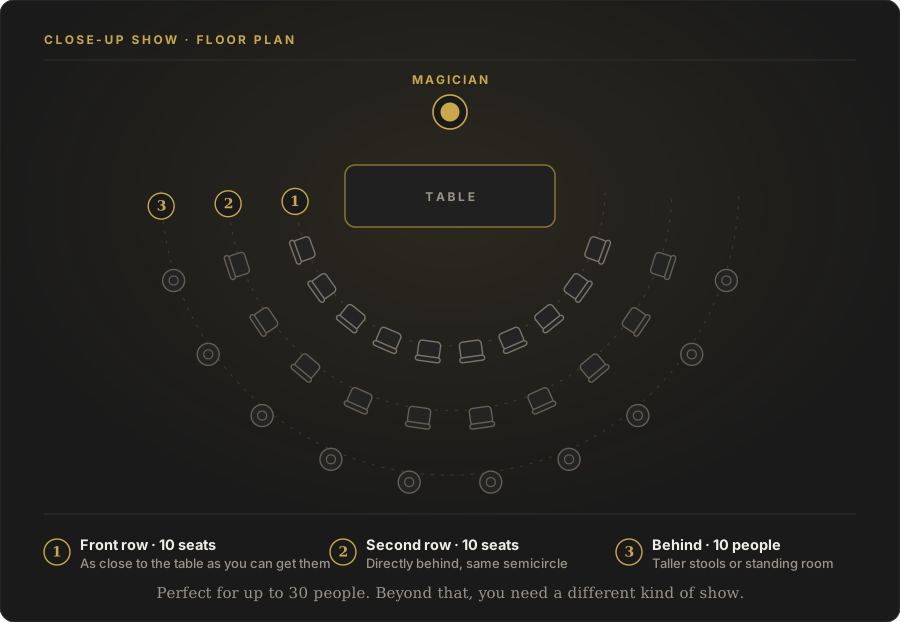
Magicians vary in how they like their seating set up, but for me, I enjoy having people as close as possible. I'll often be seated at a table with people around me in a semicircle. Two rows of ten or so, then taller stools or standing room behind that. This sort of setup is perfect for up to 30 people.
The Short Version
If your guests are on their feet, book a roving magician and let the magic come to them. If you can give the room one quiet, focused half hour, book a close-up show. It'll be the thing people are still talking about at next year's event.
Planning an event in Adelaide? Get in touch and tell me about it. I'll tell you honestly which format fits, even if it's not the answer you expected. And if you want to see a close-up show done in a room built for it, come see a show at Adelaide Magic Theatre.
Common Questions
What is the difference between close-up magic and roving magic?
Roving magic is a magician moving through your event performing short sets for small groups, while guests stand, mingle and carry on with the party. A close-up show is a seated, structured performance of about thirty to forty five minutes where the magic is the event and everyone watches the same show together.
How many people can watch a close-up magic show?
Up to about 30, seated in a semicircle around the table. Beyond that number the material has to change, and you're really looking at a parlour or stage show instead.
Should guests be drinking during a magic show?
A drink or two is fine. Heavy drinking before a seated close-up show tends to backfire, because one guest shouting out at the wrong moment spoils it for everyone else. Pause the drinks service during the show and save the big ones for afterwards.